

Snorkeling Cahuita Reef Marine Life Guide
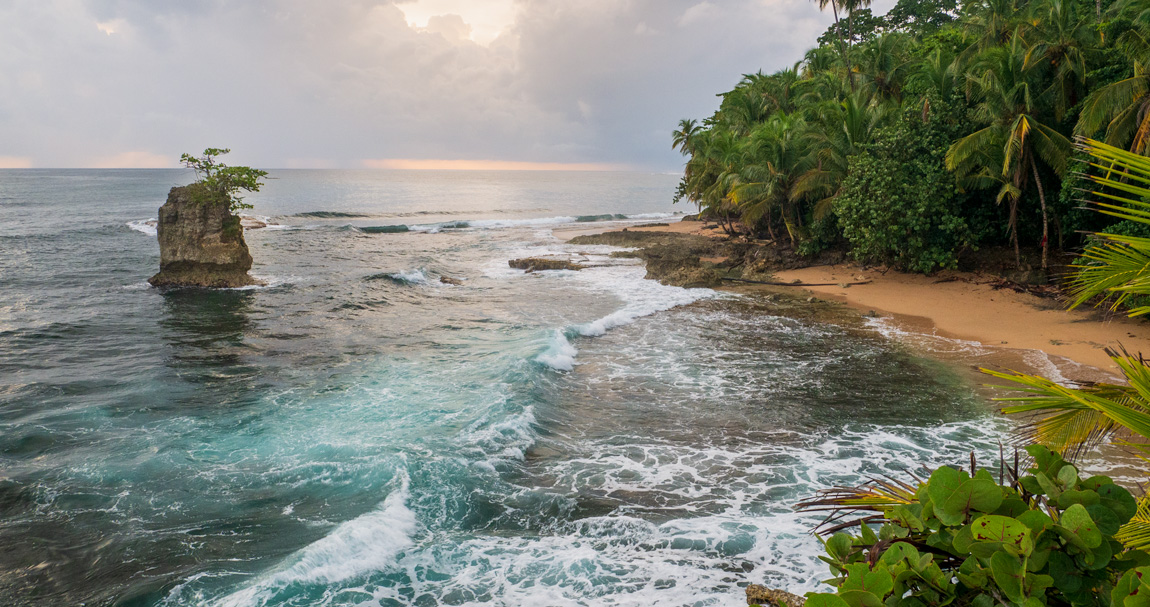
The first thing most people notice in Cahuita is not the reef – it is how quickly the coast changes mood. One minute you are on a calm beach lined with palms, and the next you are floating above coral heads watching blue tangs flicker past like electric brushstrokes. That is the magic of snorkeling Cahuita reef marine life. It feels easy from shore, but the best experience comes from understanding what lives here, what conditions shape the water, and why this reef deserves real respect.
What makes Cahuita different
Cahuita National Park protects one of Costa Rica’s most important coral reef systems on the Caribbean coast. For travelers staying in Puerto Viejo or nearby beach towns, it is one of the rare places where a snorkeling outing can also be a wildlife-rich coastal experience above water. You are not just going out to look at fish. You are entering a marine habitat tied to mangroves, beaches, sea grass, rainforest, and the wider rhythm of the South Caribbean.
That mix matters because reef life here is not static. Visibility changes with rainfall, swell, and river outflow. Some days the water is glassy and clear, and you can make out coral formations and schools of fish from the surface with very little effort. Other days, especially in rougher weather, the ocean can be less forgiving. That is one reason guided trips tend to make such a difference in Cahuita – not because snorkeling itself is difficult, but because local judgment matters.
Snorkeling Cahuita reef marine life – what you might actually see
If you are hoping for a realistic answer rather than brochure language, here it is: every outing is different, but Cahuita can be incredibly rewarding when conditions line up.
Reef fish and coral life
Most snorkelers will see plenty of small to medium reef fish. Sergeant majors are common, often moving in loose, busy groups. Blue tangs, parrotfish, butterflyfish, angelfish, and damselfish are also regular sightings. If you slow down and stop kicking for a moment, the reef starts to feel much more alive. Fish come out from coral crevices, and shapes you missed at first begin to stand out.
The coral itself is part of the attraction, not just the backdrop. Cahuita’s reef includes hard coral formations that create shelter for a wide range of species. A guide who knows the area well can help you notice the structure of the reef and explain why certain fish cluster in one section while others patrol the edges.
Rays, eels, and the occasional surprise
Southern stingrays can appear gliding over sandy patches between reef sections. These are often a highlight because they move with so little effort that people almost miss them at first. Moray eels are another possibility, usually tucked into holes and visible if you know where to look. Needlefish, pufferfish, and trumpetfish also show up often enough to keep experienced snorkelers interested.
Then there are the sightings that depend more on timing and luck. Sometimes green sea turtles pass through. On especially active days, larger pelagic visitors may move beyond the reef edge. Those are never guaranteed, and that is part of what keeps the experience honest. Cahuita is rewarding because it is wild, not staged.
Life above the surface still counts
One of the underrated parts of a Cahuita snorkeling day is that the wildlife does not stop when you climb back into the boat or walk the shoreline. Frigatebirds, pelicans, and shore birds are common. Depending on where you enter the park and how your day is structured, you may also spot monkeys, raccoons, iguanas, or sloths in the coastal forest. For travelers who want one outing to feel rich from start to finish, Cahuita delivers that better than most quick snorkel spots.
When conditions are best
This is where expectations matter. The best Cahuita snorkeling is not just about season – it is about weather windows. The Caribbean side of Costa Rica often has its clearest water in drier, calmer stretches, especially around September and October, though other months can also be excellent. A beautiful sunny morning does not always mean ideal snorkeling if recent rain or swell has affected visibility.
That is why local operators keep such a close eye on the sea. Conditions can shift quickly, and knowing whether the reef is worth visiting that day is part of giving travelers an experience that feels smooth rather than disappointing. If you are building your trip around snorkeling Cahuita reef marine life, flexibility helps. The payoff can be huge when the water settles and visibility opens up.
Why going with a guide is worth it
Some travelers are confident in the water and wonder if they really need a guided snorkel in Cahuita. It depends on what you want.
If your goal is simply to get in the ocean and swim, independent travel may feel fine in some destinations. Cahuita is different because reef access, marine conditions, park logistics, and wildlife interpretation all matter. A knowledgeable guide can read currents, select the right timing, point out species you would likely miss, and explain the reef in a way that turns a pleasant swim into a real nature experience.
There is also the conservation side. Reefs are fragile, and many visitors do not realize how easy it is to damage coral with a careless kick, a standing step, or poor fin control. Good guides set the tone early. They help guests stay safe while also protecting the habitat they came to enjoy. That kind of stewardship is exactly what responsible travel should look like on this coast.
For families and first-time snorkelers, the value is even clearer. Having support in the water, help with gear, and a guide who keeps the pace relaxed removes a lot of stress. For stronger swimmers, the benefit is less about reassurance and more about access to local knowledge. Either way, it rarely feels like a wasted add-on.
What to expect from the experience
Most Cahuita reef outings start with a boat ride to the snorkeling area, although the exact flow depends on sea conditions and park operations. Before entering the water, you should get a clear safety briefing, basic gear instructions, and a sense of what the day’s visibility is like. Honest operators do not promise impossible sightings. They explain the conditions and help set expectations the right way.
Once in the water, the pace is usually gentle. This is not a hard-core athletic outing. It is better suited to people who are comfortable floating, breathing through a snorkel, and following simple instructions. You do not need to be an expert swimmer to enjoy it, but you do need to feel calm enough in open water to stay aware and relaxed.
The best trips also keep group sizes manageable. That matters more than people think. Small groups move more quietly, get more guide attention, and tend to have a better chance of spotting marine life without feeling rushed. On a reef, chaos is the enemy of a good experience.
A few honest trade-offs to know before you book
Cahuita is beautiful, but it is not a guaranteed aquarium. Visibility can be fantastic or just fair. Some days the fish activity feels nonstop, and some days you work a little harder for each sighting. Travelers expecting perfect tropical postcard conditions every single day can end up missing what makes this place special.
The reef also rewards patience over speed. If you like high-adrenaline water sports, this is probably not the most thrilling ocean activity on your itinerary. But if you enjoy wildlife, quiet observation, and the feeling of being in a real ecosystem rather than a polished attraction, Cahuita tends to win people over quickly.
And while snorkeling is one of the most accessible marine activities here, not every traveler is equally suited for it on every day. If the sea is choppy or you are uneasy in open water, a good operator will tell you. That honesty is part of a better trip, not a limitation.
How to prepare for a better reef day
A few simple choices make a big difference. Wear a rash guard or sun shirt instead of relying only on sunscreen. Bring a towel, dry clothes, and water. If you use sunscreen, choose a reef-friendlier option and apply it well before entering the ocean. Avoid touching coral, chasing animals, or standing on the reef even if the water seems shallow.
If you are prone to motion sickness, take that seriously before the boat ride. If you wear prescription glasses, ask ahead about options. And if you are traveling with kids, check age and confidence recommendations honestly rather than optimistically. The best family outings are the ones where everyone is actually comfortable.
For travelers staying around Puerto Viejo and looking for a smooth day in Cahuita, going with a local team like Caribe Sur Costa Rica can take a lot of friction out of the planning. You get the benefit of real regional knowledge, direct communication, and guides who know how to read both the reef and the people in front of them.
Why this reef matters beyond the tour
Cahuita’s reef is not just another activity stop on the Caribbean coast. It is part of a living system that supports biodiversity, protects shoreline areas, and gives travelers a direct connection to the region’s natural character. When people see a sea turtle surface nearby or watch reef fish move through coral gardens, the coast stops being just scenic. It becomes personal.
That is one reason responsible tourism matters so much here. Choosing small-group, eco-conscious experiences helps protect the very places people come to enjoy. It also supports local guides whose livelihoods depend on keeping the reef healthy, respected, and worth returning to.
If Cahuita is on your itinerary, give the reef the time it deserves. Come on the right day, go with people who know the water, and let the experience unfold at its own pace. The marine life here does not perform on command, but when it shows itself, it is the kind of memory that stays bright long after the salt dries.


