
Cahuita National Park Snorkeling for Beginners
If you have never snorkeled from shore before, Cahuita is one of those places that can either feel easy and magical – or confusing if you show up without the right expectations. A good Cahuita National Park snorkeling guide for beginners starts with one simple truth: this is not a resort lagoon with guaranteed crystal-clear water every hour of the day. It is a living reef inside a national park on Costa Rica’s South Caribbean coast, and the experience depends on weather, sea conditions, and local knowledge.
That is exactly why first-timers usually enjoy it more with a guide. When the timing is right, Cahuita offers calm sections, shallow coral reef areas, tropical fish, sea fans, and the kind of close-up marine life encounter that feels big even if you are only a few feet above the water. When the timing is wrong, the same spot can look murky, choppy, or simply not worth the effort. Knowing the difference matters.
Why Cahuita works well for first-time snorkelers
Cahuita National Park is one of the best-known snorkeling areas on Costa Rica’s Caribbean side because the reef sits close enough to access without a long boat ride, and the marine life can be rewarding even for people with zero snorkeling experience. You do not need to be an athlete, and you do not need scuba certification. If you are reasonably comfortable in the water and willing to listen to basic safety instructions, it is an approachable adventure.
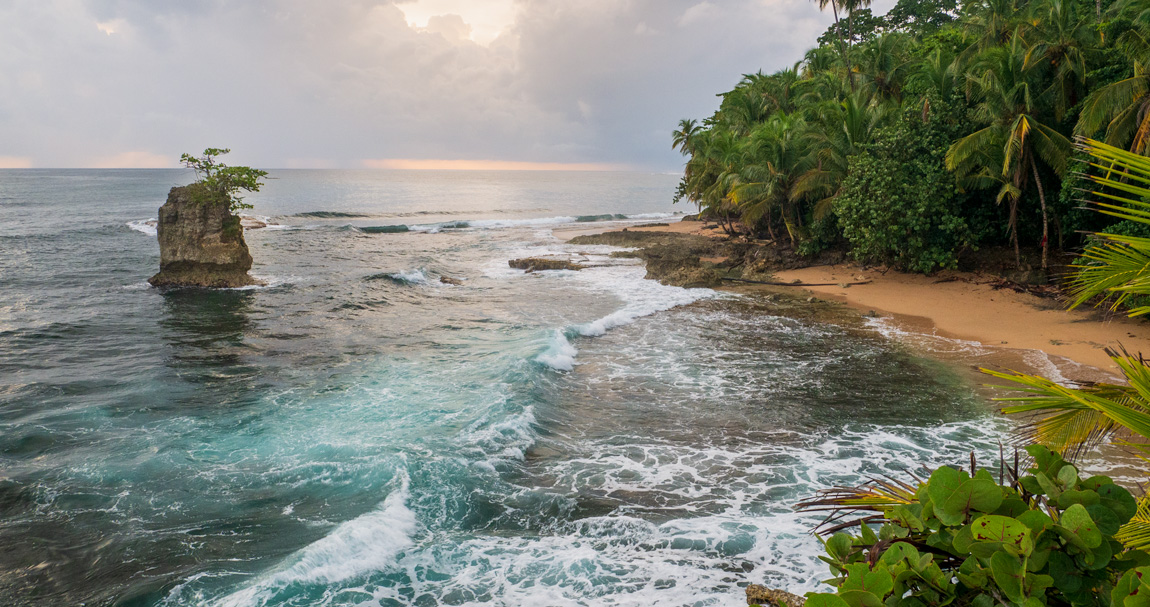
The appeal for beginners is not just the reef itself. It is the full setting. A snorkeling day here often includes the relaxed rhythm that travelers come to the South Caribbean for – palm-lined coastline, wildlife in the park, and a pace that feels more personal than a big commercial excursion. For couples, families with older kids, and solo travelers who want nature without complicated logistics, it checks a lot of boxes.
That said, “beginner-friendly” does not mean “always easy.” Caribbean conditions change fast. Visibility can vary from beautifully clear to disappointing. Entry points can feel simple on one day and awkward on another. This is where honest guidance matters more than sales language.
Cahuita National Park snorkeling guide beginners should know before booking
The biggest misconception is that snorkeling in Cahuita is available in perfect conditions every day. It depends on rain, swell, wind, and runoff. After heavy weather, visibility can drop. On a calm, clear day, the reef becomes much more enjoyable, especially for anyone nervous about their first time.
A second thing beginners should know is that guided snorkeling is not only about safety in the water. It is also about reading the day correctly. Local guides know when conditions are suitable, where entry makes the most sense, and how to keep the experience comfortable instead of stressful. They can also explain what you are seeing, which turns a swim into a real nature experience.
For many visitors, that extra context is the difference between saying “we saw some fish” and coming back excited about parrotfish, coral formations, and the wider ecosystem of the park. Cahuita is not just a place to put on a mask. It is one of the most biodiverse coastal areas in the region.
What the snorkeling experience actually feels like
Most beginners are less worried about fish than they are about the first five minutes. That is normal. Getting used to breathing through the snorkel, keeping your face in the water, and floating calmly takes a minute or two. A good guide will slow this down and help you settle in before moving toward the best viewing areas.
Once people relax, the experience becomes much easier. You are usually floating, not fighting the water. You look down and begin noticing more than expected – schools of small tropical fish, flashes of color moving through the reef, and the textures of coral and seagrass below. Some days bring better wildlife sightings than others, but even a modest day can feel memorable for a first snorkel.
If you are worried about depth, that depends on conditions and the route. Beginners usually do best in calmer, shallower sections where they can build confidence first. This is another reason guided trips make sense. The best route for a confident swimmer is not always the best route for a first-timer.
Safety tips that matter more than fancy gear
You do not need expensive equipment to enjoy snorkeling in Cahuita. Fit matters more than brand names. A mask that seals well and a snorkel you can breathe through comfortably are far more important than owning premium gear. Fins can help, but for beginners they should feel manageable, not awkward.
The real safety basics are simpler. Do not go out if you are uncomfortable with the conditions. Do not assume calm water on shore means easy snorkeling farther out. Do not touch coral, stand on reef, or chase marine life. And if you start feeling anxious, stop and reset instead of pushing through it.
Sun exposure catches many first-timers off guard. Even on a cloudy Caribbean morning, you can get a lot of sun on your back and legs while floating. A rash guard or sun shirt helps. So does applying reef-conscious sun protection well before entering the water.
Hydration matters too. A relaxed swim in warm weather can still leave you feeling drained if you started the day under-watered. It sounds basic, but it makes a difference.
Why a local guide makes the day easier
For beginners, guided snorkeling in Cahuita is less about being led around and more about removing the guesswork. You do not need to figure out whether conditions are worth it, where to enter, what gear fits, or whether what you are seeing is healthy coral or rock. You get to focus on enjoying the water.
That local knowledge also supports the park itself. Responsible guides understand how to move through the area with minimal impact, how to keep guests from damaging sensitive reef zones, and how to set expectations honestly when conditions are not ideal. That honesty matters. A trustworthy operator will tell you when the sea is not cooperating instead of pushing a bad experience.
This is one reason travelers who book direct with local specialists often have a smoother experience. You can ask real questions before the tour, get a realistic read on conditions, and choose an outing that fits your comfort level. At Caribe Sur Costa Rica, that personal communication is part of what helps guests feel prepared before they even arrive.
What to bring and what to leave behind
Keep it light. Bring swimwear, a towel, a sun shirt, water, and whatever your tour operator recommends for the day. If you wear contacts, many people do fine with them under a mask, but bring a backup plan if you are worried about losing one.
Leave valuables somewhere secure instead of trying to manage them during a water activity. Also skip anything that makes movement harder, like oversized beach bags or unnecessary accessories. Snorkeling days are better when you are not babysitting your stuff.
If you are traveling with kids or a nervous partner, mention that ahead of time. The right group pace matters. Small-group experiences tend to feel calmer and more supportive than crowded departures where nobody has time to help a beginner settle in.
Best expectations for families, couples, and solo travelers
Families should think carefully about age, comfort in the water, and patience. Some kids love it immediately. Others need encouragement and a shorter session. Couples often enjoy Cahuita snorkeling because it feels adventurous without being extreme. Solo travelers usually appreciate guided outings for both safety and the chance to join a small, friendly group.
The common thread is expectation. Snorkeling in a national park is not a theme-park activity. Nature is in charge. Some days are outstanding, some are decent, and some are better spent hiking, wildlife watching, or choosing a different plan. Travelers who understand that usually have the best time.
When not to snorkel in Cahuita
If conditions are rough, visibility is poor, or you are deeply uncomfortable in open water, it may not be the right day. There is no shame in that. Cahuita National Park is still worth visiting for its coastal trail, monkeys, sloths, birds, and beautiful beach scenery.
This is one of the smartest beginner mindsets: you do not have to force the ocean to give you a perfect first snorkel. Wait for the right conditions, go with people who know the area, and let the experience be enjoyable instead of something to endure.
A first snorkeling trip should leave you wanting another one. In Cahuita, that usually happens when you keep expectations realistic, choose local guidance, and let the Caribbean set the pace.


