
Cahuita Snorkeling and Hike Combo Done Right
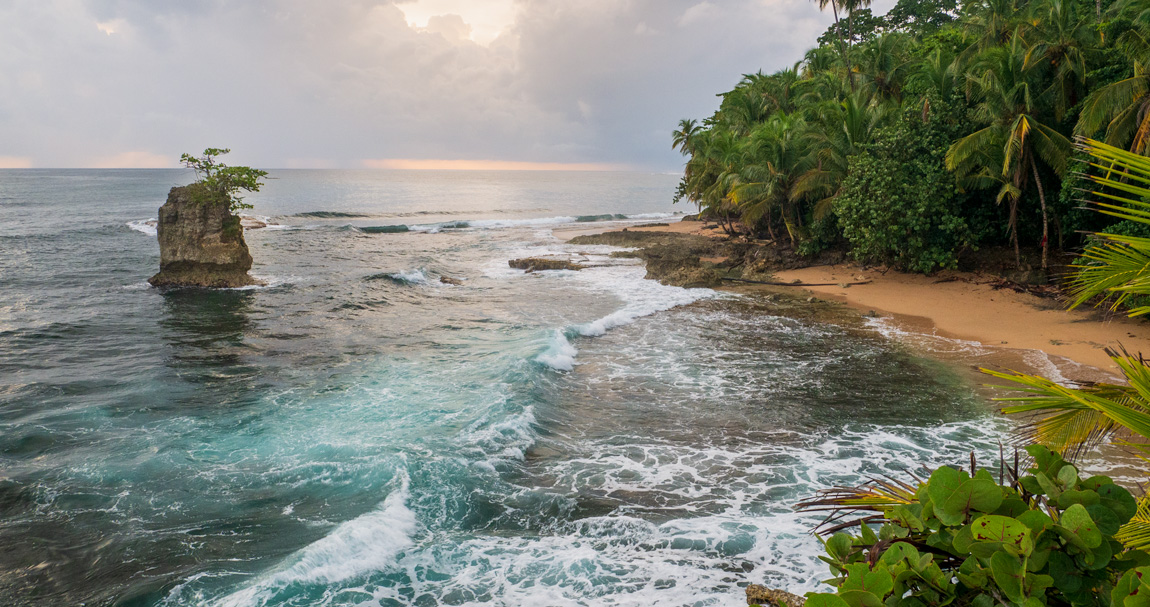
You step off the beach and the water shifts from tea-colored shallows to a clear, bright blue window. A parrotfish flashes by like a living neon sign, and behind you the rainforest edge is already humming – howler monkeys, cicadas, the low rustle of palms. Cahuita is one of the rare places where snorkeling and a wildlife hike don’t feel like two separate activities. They feel like one continuous Caribbean Coast story.
A Cahuita snorkeling and hike combo is exactly what it sounds like: reef time plus rainforest time, usually in the same morning or early afternoon. It’s also one of the smartest ways to experience Cahuita National Park because you’re not betting your whole day on a single condition. If the sea is choppy, the forest still delivers. If the wildlife is shy at first, the reef can be the highlight. When it all lines up, you get both – and it’s a day people talk about long after they’ve left Puerto Viejo.
Why Cahuita is ideal for a snorkeling and hike combo
Cahuita’s reef sits close to shore and is protected by the headland, which can make visibility surprisingly good on the right day. The park’s trails run along the coast, so you’re never far from the ocean even while you’re looking for sloths, monkeys, and toucans. That geography matters: you’re not spending hours in a car between “the snorkeling spot” and “the hike.” You’re moving through one ecosystem that changes scene by scene.
There’s also the pace. Cahuita is not a high-adrenaline destination, and that’s a strength. A good combo day has room for slow wildlife scanning, questions, photos, and breaks in the shade. It’s active, but it doesn’t have to be exhausting.
What the day actually feels like
Most combo outings start in the morning for a reason: calmer seas, softer heat, and more animal activity. Typically you’ll begin with snorkeling when the water is at its best, then transition to the trail for a coastal hike where wildlife sightings build as you go.
In the water, expect a mix of coral formations and sandy channels. On a clear day you can see schools of fish moving in tight choreography, and you’ll often spot the “working reef” moments: a ray lifting sand, a barracuda hovering like a question mark, a sea urchin tucked into rock. You might also see sea turtles, but it depends on the day. They’re wild animals, not a guarantee, and that’s part of what makes the sighting feel earned.
On land, the hike is where Cahuita’s personality really shows. The trail runs between beach and forest, so you’ll get ocean views and shade, with frequent chances to spot sloths high in the canopy, white-faced capuchins, howlers, and coatis. Guides who know the park well don’t just “see animals” – they interpret behavior. Why that sloth chose a particular tree, what the monkey calls mean, how the mangroves protect the coastline, and how the park’s history shaped what you’re seeing today.
Timing: the single biggest factor for a great combo
If you only make one planning decision, make it this one: prioritize conditions over convenience.
Morning is usually best for visibility and comfort. Wind often increases later in the day, which can kick up waves and reduce snorkeling clarity. Rain can happen anytime on the Caribbean Coast – it’s part of the magic – but short showers don’t automatically ruin a tour. The bigger issue is sustained wind and swell.
Season matters too, but not in a simple “good vs bad” way. Some months bring calmer seas more often, while others bring more dramatic weather shifts. Even within the same week, conditions can flip. This is where local, on-the-ground calls make a difference: someone who checks the water daily will know when to go to the reef first, when to hike first, or when to adjust the route for safety and comfort.
Choosing the right combo for your travel style
Not every Cahuita snorkeling and hike combo is built the same. The best fit depends on who you’re traveling with and what you want out of the day.
If you’re traveling with kids, the sweet spot is a shorter snorkel with a relaxed hike and plenty of beach time. Younger travelers often do better with frequent breaks and a guide who keeps things engaging – pointing out tracks, insects, and birds instead of pushing mileage.
If you’re a confident swimmer and you want maximum reef time, look for a plan that gives you a longer snorkeling window and doesn’t rush the water portion just to “check the box.” You’ll feel the difference.
If your priority is wildlife photography, you’ll want a slower hike and a guide who is patient about waiting for a clear view. Cahuita’s animals are often high in the canopy or partially hidden. The people who come back with the best photos are the ones who didn’t sprint down the trail.
What you can realistically see (and what is never guaranteed)
It’s fair to want the iconic sightings. Most visitors are hoping for turtles, sloths, and monkeys – and Cahuita is one of the better places to try. But the honest truth is that nature doesn’t run on a schedule.
On the reef, common sightings include colorful reef fish, rays, and an occasional turtle. Visibility is the wild card. Even on a day when the ocean looks calm from the beach, currents can shift and stir up sand.
On the hike, sloths are often the headline, but they can be camouflaged and still. Monkeys are more obvious when they’re active, and that often depends on time of day and what trees are fruiting. You’ll also likely see iguanas, crabs, and a long list of birds. Sometimes the “unexpected” becomes the favorite: a tiny poison dart frog, a morpho butterfly, or the way the forest changes near a mangrove edge.
What to bring so you’re comfortable all day
This combo is simple, but small choices make a big difference.
Wear a swimsuit under quick-dry clothes so you’re not doing an awkward outfit change in a humid parking area. Bring reef-safe sunscreen and use it thoughtfully – the reef is alive, and what goes on your skin can end up in the water. A rash guard is often better than constantly reapplying lotion.
For the hike, closed-toe shoes or secure sandals are a better bet than flip-flops. Cahuita’s trails can be muddy, and roots can get slippery. Pack water, a light snack, and a dry bag or waterproof pouch for your phone. If you wear glasses, consider a strap for snorkeling.
If you’re sensitive to heat, a hat and electrolyte packets can keep you feeling strong. If you’re prone to motion sickness, know that snorkeling can sometimes feel like “boat time” even from shore, depending on swells.
Why going guided changes the experience
You can visit Cahuita on your own, and for some travelers that’s part of the adventure. But the combo day is where a guide adds more than just convenience.
First, safety and conditions. A good guide reads the ocean, not just the forecast. They’ll choose the right entry points, adjust timing, and keep the group calm and organized in the water.
Second, wildlife spotting. Most first-time visitors walk right past sloths and never know it. Guides spot subtle movement, recognize calls, and understand what trees to scan. That’s not luck – it’s practice.
Third, context. Cahuita isn’t just “pretty nature.” It’s a place with community roots and real conservation stakes. When someone can explain the park’s story, the reef’s vulnerability, and the coastal ecology, the day becomes more than a checklist.
If you want a small-group experience with local naturalist energy and direct, no-platform booking, we run guided snorkeling plus wildlife hikes in Cahuita as part of our curated South Caribbean trips at Caribe Sur Costa Rica.
Common trade-offs (so you’re not surprised)
The combo is a high-value day, but it does come with a few “it depends” realities.
If the water is rough, snorkeling may be shortened or shifted. That’s not a bait-and-switch – it’s responsible guiding. If you’re set on long, calm snorkel time no matter what, you might need flexibility in your schedule to pick the best day.
If you want a very long hike, combining it with snorkeling can feel like a lot in the heat. Some travelers do better choosing a moderate hike and focusing on quality wildlife time instead of distance.
And if you’re comparing experiences across Costa Rica, Cahuita is not about deep, dramatic drop-offs or giant pelagic species. It’s coastal reef life and rainforest wildlife in the same frame. That’s the magic.
A simple way to plan it into your Puerto Viejo trip
This combo fits beautifully in a 4 to 7 day Caribbean itinerary. Put it early in your stay if you can, so you have room to reschedule if weather shifts. Pair it with an easier day before or after – maybe a beach afternoon in Punta Uva, a river kayak for sloths, or a waterfall trek if you’re craving fresh water and jungle cliffs.
One more local tip: don’t overpack your schedule. Cahuita rewards travelers who leave space for a slow lunch, a spontaneous roadside fruit stop, and a sunset that turns the whole coast gold.
You don’t need to chase extremes to feel like you had a real Costa Rica adventure – sometimes the best day is the one where you float over a reef in the morning, walk under a sloth’s favorite tree in the afternoon, and end up sandy, happy, and a little sun-kissed, already planning how to do it again.


