
Cahuita Snorkeling Tour: What It’s Really Like
If you’ve ever snorkeled somewhere “tropical” and spent 20 minutes staring at sand, Cahuita can feel like a reset. Here, the reef is close to shore, the water can turn crystal-clear on the right day, and the park vibe stays wonderfully low-key. But Cahuita is also the Caribbean coast – conditions change, and the best experience comes from timing, expectations, and a guide who knows where the reef is actually showing off.
Why a Cahuita National Park snorkeling tour hits different
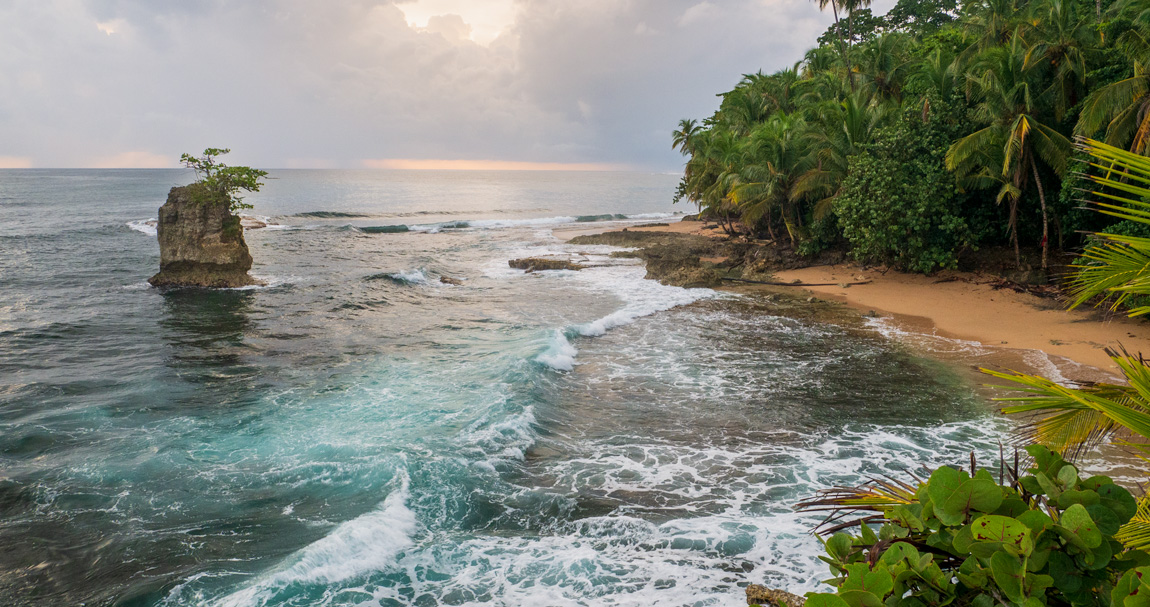
Cahuita National Park sits on Costa Rica’s South Caribbean coastline, just north of Puerto Viejo. It protects a rare mix of coral reef, seagrass, mangroves, and coastal rainforest – which is exactly why it’s such a satisfying place to snorkel. You are not just “in the water.” You’re in an ecosystem where reef fish feed near coral heads, juvenile species hide in seagrass, and the forest behind you is home to monkeys and sloths.
What makes a Cahuita National Park snorkeling tour special is also what makes it variable. The reef is alive and dynamic. Visibility depends on recent rain, wind, and swell. Some days feel like an aquarium. Other days are still fun, but more about cruising slowly and letting your guide point out what you’d miss on your own.
What you’ll actually see underwater (and what’s realistic)
Let’s set the expectations in the most helpful way: Cahuita is not a deep-water wall dive destination. It’s a shallow reef experience with a strong chance of fish, plenty of color, and the kind of slow discovery that makes snorkelers happy.
On a good visibility day, you can expect schools of tropical fish moving over coral patches, with a steady parade of smaller reef species that love the shallow zone. You’ll often spot bright reef fish, subtle camouflaged fish tucked near structure, and the occasional larger silhouette passing through.
Sea turtles are possible, but they’re never guaranteed. Same goes for rays. The best approach is to treat “big sightings” like a bonus and enjoy how much life there is in the small stuff – the patterns, the textures, the way fish use the reef like a neighborhood.
You may also notice that guides spend a lot of time helping guests relax in the water. That’s not just customer service – it’s what keeps the group calm and moving smoothly, which tends to lead to better wildlife encounters and a safer snorkel overall.
Conditions matter here – and that’s a good thing
If you’re planning your trip from the US, it helps to know that Cahuita doesn’t run on a fixed script. Caribbean conditions are changeable, and the park’s reef responds quickly to weather.
Visibility is the big variable. After heavy rain, runoff can reduce clarity. After windy nights, swell can stir things up. And sometimes the ocean is simply having a day where it’s not in the mood.
That doesn’t mean you should avoid booking. It means you’ll have a better time if you choose an operator that talks honestly about conditions and adjusts the plan when needed. A good guide knows where the reef is most protected, which entry points are safest, and when it’s smarter to reschedule rather than push a mediocre experience.
Best time of year for snorkeling in Cahuita
There isn’t one perfect month that stays perfect every day, but there are seasonal patterns locals plan around.
In general, Cahuita can have excellent snorkeling windows when the sea is calmer and rainfall is lower. The South Caribbean also has its own rhythm compared to Costa Rica’s Pacific coast – so if you’re used to the “dry season vs. rainy season” talk, it helps to stay flexible and ask locally.
If you’re visiting during a wetter stretch, don’t write Cahuita off. Short, intense rain can be followed by calm, clear mornings. Your best strategy is to keep at least one flexible morning for snorkeling and let your guide pick the best day based on real conditions, not a forecast from days ago.
What a typical tour morning feels like
A Cahuita snorkeling day tends to start early enough to catch calmer water and fewer people. You meet your guide, get fitted for mask and fins, and hear a simple safety briefing – the kind that actually matters, like how to breathe, how to clear a mask, and how to stay together without kicking up the bottom.
From there, you’ll head toward the park and the reef zone. Depending on the plan and conditions, you may go by boat to reach the best coral area. The ride itself is part of the fun – you get coastline views and a sense of how the reef sits in relation to the shore.
Once you’re in, the pace is usually relaxed. This isn’t a race. Guides watch the group closely, especially if you have first-time snorkelers or kids. If you’re a confident swimmer, you’ll still appreciate how much easier it is when someone else is handling navigation and keeping the group oriented.
Self-guided vs. guided: the real trade-off
Could you try to snorkel on your own in Cahuita? In theory, yes. In practice, most visitors get a better experience with a guided tour.
The biggest advantage is not gear. It’s local judgment. Guides read the ocean in real time, choose safer entry points, and know which sections are worth your time that day. They also spot fish you’ll swim right past and help less-confident guests stay comfortable.
The trade-off is that a guided tour runs on a group rhythm. If you want to spend 45 minutes hovering over one coral head with a camera, you may prefer a private option. If you want a fun, social morning with high odds of seeing the best parts of the reef, small-group guiding is usually the sweet spot.
What to bring (so you’re comfortable, not overloaded)
You do not need to pack like you’re moving to the reef. The goal is to be light, sun-protected, and ready for saltwater.
Bring reef-safe sunscreen and apply it early so it has time to absorb before you get in. A long-sleeve rash guard is one of the best upgrades you can make for comfort – it reduces sun exposure and helps prevent skin irritation.
If you wear contacts, consider bringing a backup plan in case you lose a lens in the water. If you’re prone to seasickness and your tour includes a boat ride, taking a non-drowsy motion option beforehand can make the whole morning feel easier.
And one thing people forget: a dry shirt for after. That post-snorkel breeze on a boat or on shore feels amazing when you’re warm – and surprisingly chilly when you’re wet.
Safety and comfort for families and first-time snorkelers
Cahuita is a strong choice for beginners when conditions are calm because the reef is relatively shallow and the experience can be paced gently. Still, snorkeling is a real water activity, and it’s normal to feel a little nervous if you haven’t done it before.
A good tour keeps things simple: proper mask fit, a calm entry, and clear instructions about floating and breathing. If you’re traveling with kids, ask about minimum ages, flotation options, and whether the guide is used to working with families. The best guides don’t just “allow kids” – they know how to coach them so everyone has fun.
If anyone in your group has limited swimming ability, say it upfront. There’s no judgment here, and it helps the operator choose the right plan. Sometimes the right call is a different day, a more protected area, or a private format that removes the pressure to keep up.
Pair it with the park’s wildlife hike for a full day
One of the most satisfying ways to experience Cahuita is to combine snorkeling with time on land. The park’s trails run through coastal rainforest where wildlife sightings can be excellent – especially with someone who knows where animals tend to rest and feed.
It’s a different kind of “wow” than the reef. On land you’re scanning for movement in the canopy, listening for howler monkeys, and learning what you’re actually looking at – the plants, the history, and why this coastline feels so distinct from the rest of Costa Rica.
If you’re choosing between snorkeling and hiking because of time, it depends on your priorities. If your group loves water and wants the most unique Caribbean-only experience, prioritize the reef. If you’re traveling with someone who’s hesitant about snorkeling or you’ve already snorkeled elsewhere, the guided hike can be the bigger surprise.
Booking the right tour: what to look for
This is where travelers can accidentally turn a great destination into a mediocre morning. Cahuita is worth doing well.
Look for small groups, clear communication about conditions, and guides who talk about marine life with specificity, not generic promises. Ask how they decide whether conditions are good, and what they do if the water isn’t cooperating. The best operators will be straight with you because your experience matters more than forcing a departure.
If you want a locally run option with direct booking and on-the-ground support in the South Caribbean, you can check Caribe Sur Costa Rica for guided Cahuita experiences and help planning the rest of your Puerto Viejo area trip.
The mindset that makes Cahuita unforgettable
Cahuita rewards travelers who show up with curiosity instead of a checklist. Plan for the best conditions you can, protect the reef with thoughtful choices, and let your guide do what locals do best – read the day and share the details you’d never notice alone.
If the ocean gives you a crystal morning, enjoy it fully. If it’s a little moody, slow down and pay attention anyway. The reef is still telling a story – and in Cahuita, you’re close enough to hear it.


