
When Is the Best Time for Cahuita Snorkeling?
If Cahuita snorkeling is on your Costa Rica wishlist, timing matters more than most travelers expect. When is the best time for Cahuita snorkeling? Usually, the clearest and calmest conditions arrive in the drier Caribbean months, especially September and October, with many good days also showing up in February, March, and parts of April. But the real answer depends on what kind of trip you want, how flexible your schedule is, and whether you are booking a guided experience or hoping to decide on the spot.
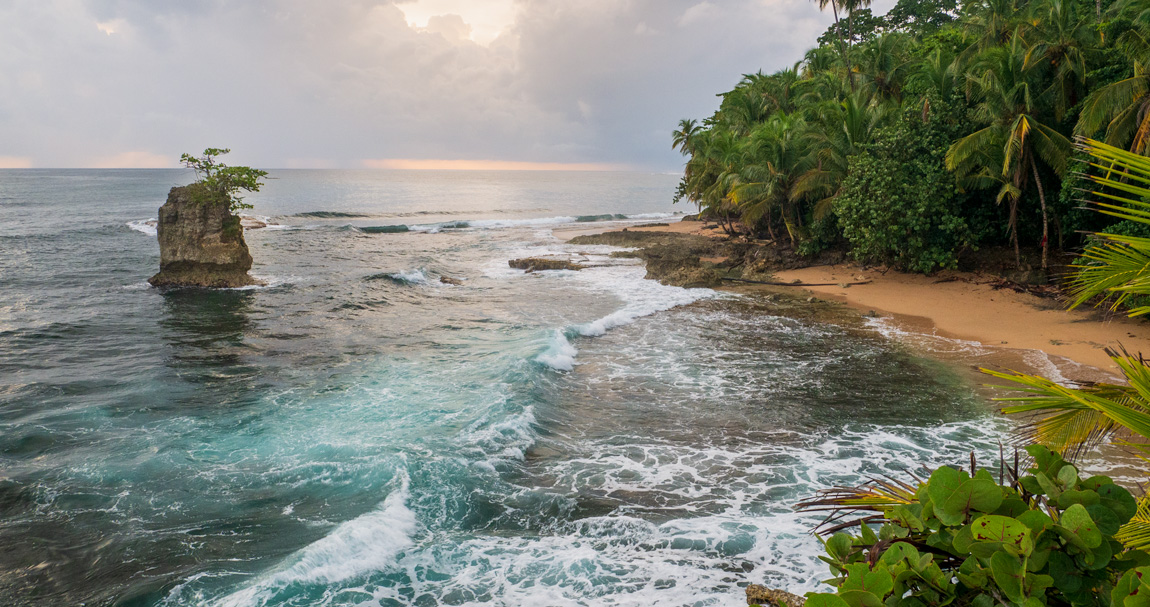
Cahuita National Park protects one of the most important coral reef systems in Costa Rica, and that reef is the reason snorkeling here can be so memorable. On a good day, the water can be clear enough to spot coral formations, schools of tropical fish, sea urchins, and sometimes rays moving over sandy patches. On a rough day, even if the sun is out, visibility can drop fast. That is why experienced local guides always talk about sea conditions first and calendar dates second.
When is the best time for Cahuita snorkeling in general?
For most travelers, the most reliable snorkeling window in Cahuita falls during the South Caribbean dry season, which typically peaks in September and October. These months are often the standout choice because the sea tends to be calmer, runoff is lower, and visibility can be excellent.
That catches some visitors off guard because they are planning Costa Rica around the Pacific dry season. Cahuita and the wider Puerto Viejo area follow a different rhythm. The Caribbean side often has its own weather pattern, and that is exactly why this region can be such a smart choice if you are traveling in months that are rainier elsewhere in the country.
A second good window often appears in late February through April. Conditions are not always as consistently glassy as they can be in September and October, but many travelers enjoy very good snorkeling during this stretch. If your vacation lands in spring break season or late winter, this is often your best bet.
Why timing matters so much in Cahuita
Cahuita snorkeling is not just about rain versus sun. The bigger factor is the sea itself. Wind, swell, river runoff, and recent storms all affect what you will actually see in the water.
You can have a bright, beautiful beach day and still get poor snorkeling conditions if the ocean is choppy. You can also get a light passing shower and still have solid visibility if the sea stays calm. This is one of the biggest reasons guided trips are worth considering here. Local operators watch marine conditions closely and know when the reef is worth entering and when it is better to pivot to another nature experience.
That local call matters in a protected area like Cahuita National Park. Good guides are not just helping you spot marine life. They are helping you snorkel at the right time, in the right zone, with respect for reef conditions and park regulations.
The best months for Cahuita snorkeling
September and October
If you want the short answer, start here. These are often the strongest months for calm water and better underwater visibility on the South Caribbean coast. Travelers who visit during this period often get the classic Cahuita reef experience they had in mind.
This is also a great time for travelers who want to combine snorkeling with other low-stress outdoor days around Puerto Viejo, Punta Uva, and Manzanillo. The coast can feel especially inviting when the sea settles down.
February, March, and April
This is another solid period, especially for travelers visiting Costa Rica from the US during winter or spring. Conditions can be very good, though they are a bit less predictable than the September-October sweet spot.
If you are visiting during these months, give yourself some flexibility. A trip early in your stay works well because you can take advantage of a calm day if one appears.
November, December, January, and the rainier stretches
These months are more mixed. You may still get snorkelable days, but conditions are generally less reliable. More swell and runoff can reduce visibility, and tours may depend heavily on that morning’s sea check.
That does not mean you should rule out Cahuita entirely if you are traveling then. It just means snorkeling should be treated as a nice possibility, not the one activity your whole itinerary depends on. This is where the South Caribbean is especially rewarding because there are plenty of strong backup plans – wildlife hikes, river kayaking, waterfalls, cultural visits, and beach days that do not depend on underwater clarity.
Morning or afternoon – what works better?
In many cases, morning is the better choice for Cahuita snorkeling. Earlier departures often mean calmer water, lighter wind, and a better chance at cleaner visibility before the sea gets stirred up later in the day.
That said, local conditions always come first. A good operator will not force a rigid departure time if the ocean is telling a different story. This is another place where on-the-ground knowledge matters more than generic travel advice.
What you can expect to see when conditions are good
Cahuita’s reef is known for colorful fish, coral areas, and the feeling of being inside a living marine habitat rather than just swimming off a beach. Sightings vary by day, but many snorkelers spot blue tangs, parrotfish, sergeant majors, angelfish, and other reef species moving in groups around the coral.
Some days also bring larger surprises, like rays or more unusual marine life passing through. No ethical guide will promise a checklist, and that is a good sign. Nature here is wild, not staged. The goal is to give you the best possible conditions and the trained eyes to notice far more than you would on your own.
Is the dry season always the best answer?
Usually, yes – but not automatically. If you are asking when is the best time for Cahuita snorkeling, the safest answer is still the calmer Caribbean dry months. But there are trade-offs.
September and October can offer excellent water, yet those months do not line up with every traveler’s schedule. February through April may fit more US vacation calendars and can still be very rewarding. Holiday periods may be busier overall in the region, even if snorkeling conditions are less consistent. Families may prioritize school breaks over perfect reef visibility, and that is completely reasonable.
The smart move is to match your expectations to the month. If snorkeling is your top priority, plan around the best marine window. If snorkeling is one part of a bigger South Caribbean trip, you have more room to be flexible.
Guided snorkeling vs. deciding last minute
Cahuita is one of those places where a guided snorkeling tour usually adds real value. This is not just about gear or convenience. It is about reading conditions correctly, entering the reef responsibly, and understanding what you are seeing once you are in the water.
A strong local guide can also help make the day feel easy. That matters for couples who want a stress-free outing, families who need clear logistics, and solo travelers who would rather not guess their way through changing marine conditions. In a place where weather apps only tell part of the story, local judgment goes a long way.
This is also one of the reasons many travelers book direct with regional specialists like Caribe Sur Costa Rica. You get straightforward communication, honest expectations, and a team that knows when a snorkeling day is truly worth it.
Tips for planning your snorkeling day in Cahuita
If snorkeling is high on your list, try to schedule it early in your trip rather than on your final day. That gives you room to shift plans if sea conditions are not ideal.
It also helps to avoid building your entire Cahuita visit around one exact hour. The best experiences here tend to come from a little flexibility paired with good local advice. Bring reef-safe sun protection, listen closely to your guide, and treat the reef as a fragile living system, not a backdrop for photos.
If the water is not right, do not force it. Cahuita National Park is still worth your time for coastal trails, wildlife, and the kind of Caribbean scenery that makes slow travel feel like the right call.
The best Cahuita snorkeling days are the ones where the sea cooperates, the reef is respected, and you let local knowledge shape the plan instead of fighting the forecast. If you can travel in September or October, that is your strongest window. If not, aim for late February through April, stay flexible, and keep your trip open to the many other ways this coastline shows off.


