
Clear Kayak Puerto Viejo: Worth It or Hype?
You push off from the beach and the water turns that impossible Caribbean blue-green – then you look down. Instead of a dark plastic hull, it’s a window. You can watch sand ripples slide by, see bright reef fish flash in and out of coral, and spot seagrass patches that look like underwater meadows.
That is the whole point of a clear kayak in Puerto Viejo: you’re not just on the ocean, you’re looking into it. And on Costa Rica’s South Caribbean, where the coastline changes from calm coves to reefy points in a few minutes, that “see-through” factor can be genuinely jaw-dropping.
But it also depends. Clear kayaks are not magic, and the experience can swing from “I can’t believe this is real” to “why is it so bumpy and glare-y?” based on timing, weather, and where you launch. Here’s how to think about it like a local – so you pick the right day, the right area, and the right style of tour.
What makes a clear kayak in Puerto Viejo different
A standard kayak trip here can be fantastic on its own, especially if you’re hugging the coastline near Punta Uva or exploring protected water closer to Cahuita. The clear kayak adds one big advantage: underwater visibility without getting wet.
That matters for a lot of travelers. Maybe you want the marine-life wow factor but you’re not up for snorkeling, you’re traveling with kids who are curious but not strong swimmers, or you’re easing into ocean activities before a bigger adventure. A clear hull turns a paddle into a low-effort nature show.
It’s also a different kind of pace. Snorkeling is active and can feel rushed if currents pick up. In a clear kayak, you can pause, drift, and look. When conditions are right, you’ll see reef structure, schools of small fish, sea urchins, and occasional larger surprises moving along the edge of the coral.
What you can realistically see (and what you can’t)
Let’s set expectations in a way that actually helps you plan.
On a good visibility day, you’re likely to see colorful reef fish, sandy patches, coral heads, and seagrass. Near calmer coves, you may also spot rays or larger fish cruising by – not guaranteed, but possible. The view can be especially striking in shallow water where sunlight reaches the bottom easily.
What a clear kayak does not do is replace a full snorkeling session in terms of close-up detail. You’re looking through water and through a hull, and you’re usually moving. You’ll notice shapes, patterns, flashes of color, and the overall ecosystem more than tiny details.
And while everyone hopes for turtles, it’s very “right place, right moment.” Sea turtles do live along this coast, and sightings happen, but they’re never something an ethical guide should promise.
Best areas for clear kayaking around Puerto Viejo
Puerto Viejo is a hub, but the best on-water conditions often happen a short drive away. The coast is a chain of beaches and points, and each one behaves differently depending on swell, wind, and tide.
Punta Uva and sheltered coves
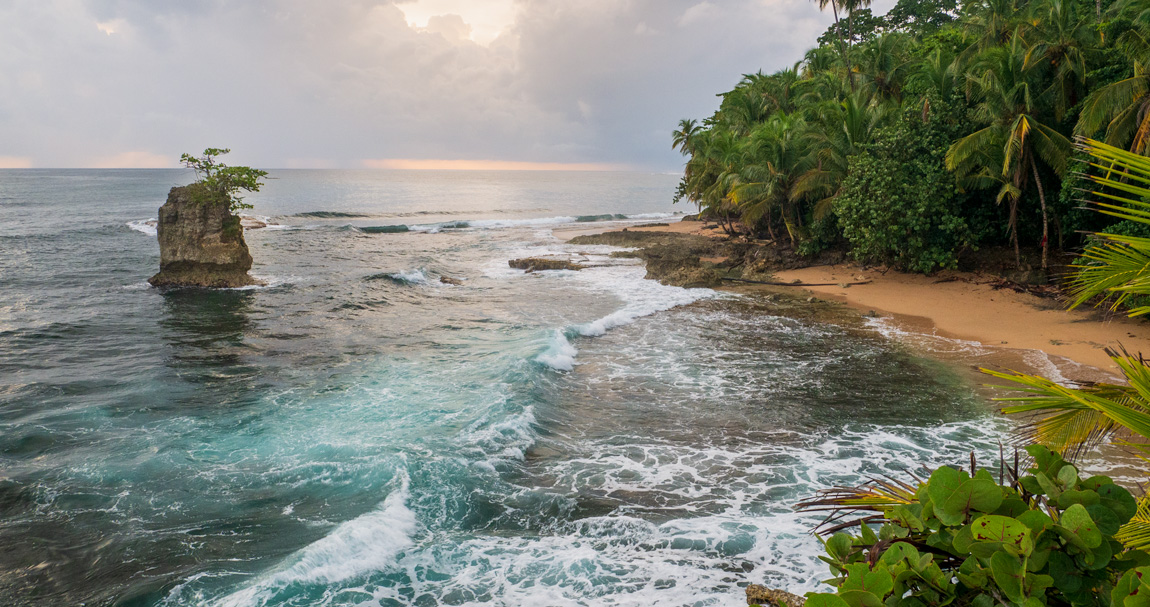
Punta Uva is famous for its postcard calm on the right day. When the sea is glassy, the clear kayak experience here can feel like floating over an aquarium. The shoreline curves and can provide a bit of protection from chop, which helps visibility and comfort.
Manzanillo side when the ocean is calm
Further south toward Manzanillo, the coastline can offer beautiful nearshore reef zones. Conditions have to cooperate – this is not a “any day, any time” guarantee – but when it works, it’s a memorable mix of clear water and dramatic coastal scenery.
Cahuita area for a different vibe
Cahuita is better known for snorkeling inside the national park reef, but depending on the plan and the day, nearby waters can also be appealing for paddling. The feel is more “nature reserve” than “beach day,” and it pairs well with wildlife-focused itineraries.
Timing matters more than people think
The biggest factor in whether a clear kayak Puerto Viejo outing feels incredible is not your fitness level or even your camera. It’s water conditions.
Mornings are often calmer. Wind tends to build later in the day, and even a light breeze can create surface texture that makes it harder to see down into the water.
Season also plays a role. The South Caribbean has its own rhythm, and there are stretches of the year where water can be famously calm and clear. There are also days when a distant swell or a weather shift makes the ocean messy even if the sky looks friendly.
Tide can change the whole story too. In very shallow zones, low tide may limit where you can safely paddle. In other areas, a certain tide can improve visibility and reduce surge. This is where local knowledge turns into real value – someone who’s on the water regularly will know which spots are “yes” today and which ones are “not worth your time.”
Is it beginner-friendly?
Often, yes – with a few important caveats.
If you’ve never kayaked in the ocean, you want sheltered water and a conservative route. Ocean kayaking is different from a lake: waves, wind, and currents add complexity. The good news is that you can absolutely have a relaxed, beginner-friendly clear kayak experience here when the route is chosen for the day’s conditions.
If you’re traveling with kids, it can be a fantastic option because the “see-through” element keeps them engaged. That said, kids also get cold or tired faster than adults, and sun exposure is real on the water. A good operator will pace the outing, choose conditions carefully, and keep the experience comfortable.
If you’re not a strong swimmer, you can still go – you’ll wear a life jacket – but it’s worth being honest about your comfort level. The ocean can feel big. A small-group guided outing tends to feel more secure because you’re not troubleshooting on your own if wind picks up.
What to bring so you’re comfortable (not just surviving)
This is one of those activities where a small packing choice can make or break your mood.
Wear reef-safe sunscreen and reapply before you launch, because doing it on the water is messy. A hat that fits snugly is worth it. Sunglasses help with glare, but consider a retainer strap – the Caribbean loves to claim sunglasses.
Bring water, and assume you’ll be warmer than you expect. Even on a breezy day, the sun reflects off the water and adds intensity.
For phones and keys, a dry bag is non-negotiable. Clear kayaks are stable, but splashes happen. If you want photos, ask ahead about the best way to shoot through the hull, because angles and glare matter. Sometimes the best photos come from holding the camera close to the surface rather than straight down.
Choosing a tour: what “good” looks like
Clear kayaks are popular, which means quality can vary. You don’t need the most dramatic marketing. You need the best decisions on the day of your trip.
A strong operator will talk about conditions first, not just the route. They’ll be comfortable rescheduling or adjusting the plan if visibility or safety isn’t there. That flexibility is not a drawback – it’s a sign they’re protecting your experience and the environment.
Small groups matter too. With fewer boats, you spend less time dodging paddles and more time actually looking down. It’s also quieter, which helps with wildlife spotting and keeps the experience feeling like nature, not traffic.
Finally, ask how the tour avoids sensitive reef areas. Ethical clear kayaking keeps a respectful distance from coral, avoids dragging or bumping shallow sections, and focuses on observation rather than “getting as close as possible.” The reef is alive, and it’s fragile.
If you want a local team that can match the day’s conditions to the best spot and keep the experience personal, you can book directly with Caribe Sur Costa Rica and get trip-planning support alongside your tour choice.
Trade-offs: when a clear kayak is not the best pick
There are days when you should choose a different adventure.
If the ocean is choppy, a clear hull won’t deliver that “window” effect. You’ll spend more energy stabilizing and less time enjoying what’s below.
If your main goal is close-up reef detail, snorkeling in the right place on the right day can be more rewarding. Clear kayaking is more about the big-picture underwater landscape and the joy of gliding along the coast.
And if you’re hoping for a hardcore workout, a relaxed clear kayak route might feel too gentle. In that case, you may prefer a longer paddle, a river-and-wildlife kayak, or a hike that adds elevation and variety.
How to fit it into your Puerto Viejo itinerary
Clear kayaking works beautifully as a “morning anchor” – especially if you want a beach afternoon afterward. You get the best chance of calm water early, then you can transition to lunch in town, a chocolate stop, or a low-key beach like Playa Cocles.
It also pairs well with a nature-forward week where you mix ecosystems: one day on the reef, another day in the rainforest, another day learning from local communities. The South Caribbean shines when you don’t try to force every highlight into one day.
If you’re deciding between a clear kayak and a river wildlife kayak, think about what you want to see. Ocean trips are about reef, coastline, and marine life. River trips tend to deliver more predictable wildlife viewing like birds, monkeys, and sometimes sloths, with calmer water and less wind.
The experience you’re actually paying for
A clear kayak in Puerto Viejo is not just the boat. You’re paying for judgment – choosing the right launch, reading the water, avoiding unsafe or low-visibility conditions, and keeping you in the sweet spot where the sea feels friendly and the underwater world shows itself.
When it all clicks, you’ll paddle over bright patches of reef, drift quietly in a calm cove, and realize you’ve been smiling for twenty minutes straight without trying.
If you can give yourself one gift on this coast, make it flexibility. Leave room to chase the best morning, trust local guidance, and let the Caribbean set the schedule. That’s when the clear hull turns into a real window – and Puerto Viejo shows you what it’s been hiding in plain sight.


