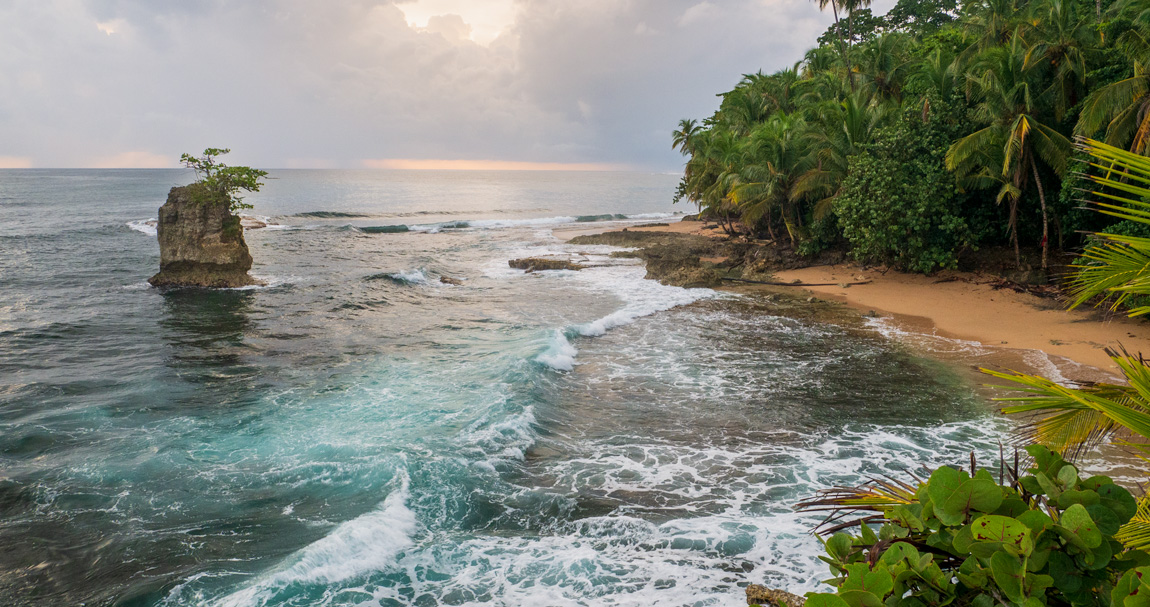

7 Wildlife Tours in South Caribbean Costa Rica
You do not come to Puerto Viejo hoping wildlife might appear. You come because this stretch of coast regularly delivers the kind of sightings people talk about for years – a sloth curled into a cecropia tree, howler monkeys shaking the canopy, a toucan landing just long enough for one clean photo, a sea turtle surfacing beside your boat.
That is also why choosing the right tour matters. In the South Caribbean, the best wildlife experiences are not the biggest or the loudest. They are the ones led by guides who know where animals feed, when the light changes behavior, which trails stay productive after rain, and how to keep the moment respectful for the animal and unforgettable for you.
How to choose the top wildlife tours South Caribbean Costa Rica offers
If your goal is real wildlife viewing, not just checking off an activity, there are a few things worth paying attention to. Small groups almost always improve the experience. You move more quietly, your guide has time to point things out, and sightings do not turn into a crowd scene.
Local knowledge is the other big factor. South Caribbean Costa Rica is incredibly rich, but wildlife is not staged. A guide who grew up here or spends every day on these rivers, reefs, and forest paths can spot movement you would walk right past on your own.
It also helps to be honest about your travel style. Some tours are best for photographers who want patience and positioning. Others are ideal for families with kids, couples looking for a relaxed morning, or travelers who want nature mixed with culture. The right choice depends on whether you want kayaking, hiking, snorkeling, or a combination.
1. Sloth-spotting river kayak tours
If you ask many travelers what they most want to see in Costa Rica, sloths are near the top. A river kayak tour gives you one of the best chances to spot them without rushing through a crowded trail.
Paddling calm waterways near the coast is quiet by nature, and that changes everything. You are not competing with traffic or big groups. Guides can stop, scan the trees, and help you notice what looks invisible at first – a perfectly camouflaged three-toed sloth, a basilisk lizard on a branch, a troop of monkeys moving overhead, or a heron waiting in the shallows.
This is one of the strongest choices for travelers who want a softer adventure. It feels active, but it is usually manageable for beginners and rewarding for experienced paddlers too. Early departures tend to offer the best conditions, especially when the river is calm and wildlife is more active.
2. Cahuita National Park snorkeling and wildlife hikes
Few tours in the region combine marine life and forest wildlife as well as Cahuita National Park. That range is what makes it such a favorite. In one outing, you can spend time over coral reef and then walk under coastal forest where monkeys, raccoons, iguanas, snakes, and tropical birds are often part of the day.
The snorkeling side depends on sea conditions. On a clear, calm day, the reef can be full of color and movement. If conditions are rough, the wildlife hike may become the stronger part of the experience. That is not a drawback so much as the reality of nature-based travel – flexibility matters here.
A guided visit makes a huge difference in Cahuita. Many animals stay hidden in plain sight, and the history of the park is worth hearing from someone who can connect the ecosystem with the local community. For visitors who want one tour that feels classic, varied, and high-value, this is usually near the top.
3. Clear kayak tours in Punta Uva
Not every wildlife tour has to be deep in the jungle. A clear kayak experience in Punta Uva offers a different side of the South Caribbean – shallow water, coastal scenery, and marine life you can often watch beneath you as you paddle.
This is especially appealing for travelers who want a scenic outing with a good chance of spotting fish, rays, seabirds, and sometimes larger coastal wildlife nearby. It is less focused on intense animal tracking than a river or forest tour, but that is exactly why some people love it. The pace is relaxed, the setting is beautiful, and the wildlife appears as part of a bigger Caribbean experience.
For couples and families, this can be one of the easiest ways to get on the water without needing advanced skills. Conditions matter, though. On windier days or after weather changes, visibility can be less dramatic than the photos people imagine.
4. Gandoca-Manzanillo wildlife hikes
If you want the forest to feel wilder and less trafficked, Gandoca-Manzanillo is one of the best places to go. This mixed habitat of rainforest, coastline, and wetlands creates excellent conditions for wildlife, and it often feels more remote than the more visited areas closer to town.
A strong guide is essential here. The reserve rewards slow observation. Poison dart frogs, monkeys, sloths, birds, insects, and reptiles can all appear, but usually not on demand. The experience is about reading the forest, hearing calls before you see movement, and understanding how this protected area fits into the broader ecological story of the South Caribbean.
This is a great option for repeat Costa Rica travelers who want something more textured than a quick walk. It can be muddy, humid, and a bit more rugged depending on the route, which is part of the appeal for some guests and less ideal for others.
5. Boat trips to remote beaches and coastal wildlife zones
Some of the most memorable sightings happen when you get away from easy-access beaches. Boat tours along the coast can take you into quieter stretches where seabirds, marine life, and untouched scenery create a very different feel from a standard beach day.
These trips are often as much about access as wildlife. You reach places that feel hidden, and that sense of distance from the crowds changes the whole mood. Depending on season and conditions, you may spot dolphins, turtles, frigatebirds, pelicans, and other coastal species.
The trade-off is that wildlife on boat outings can be less predictable than on a focused park or river tour. If your priority is guaranteed animal density, choose a guide-led forest or kayak trip. If you want a broader Caribbean adventure with strong wildlife potential, a boat trip is an excellent call.
6. Waterfall treks with wildlife along the way
Waterfall tours are not usually marketed first as wildlife tours, but in the South Caribbean they often turn into both. The trails leading to waterfalls can pass through rich habitat where birds, butterflies, frogs, monkeys, and reptiles are part of the walk.
This option works well for travelers who want a balance of scenery, movement, and the chance to cool off in fresh water. The wildlife viewing is more incidental than on a dedicated sloth or birding outing, yet it can be surprisingly good when guides know where to pause and what to listen for.
If you are deciding between a waterfall trek and a national park hike, think about your main goal. For pure wildlife density, the park usually wins. For a more varied adventure day, waterfalls can be the better fit.
7. Bribri and Yorkín cultural tours with nature built in
Not every meaningful wildlife experience comes from chasing sightings. Visits to Bribri and Yorkín communities often include river travel, forest settings, and close attention to how people have lived with this environment for generations.
That perspective matters. You may still see birds, monkeys, frogs, and plenty of tropical plant life, but the value of the day goes beyond a species list. You understand medicinal plants, cacao traditions, river systems, and the relationship between conservation and community.
For travelers who care about ethical tourism, this is one of the strongest choices in the region. It supports local families and gives context to the landscape you have been photographing all week. If your trip is about connection, not just sightings, this belongs high on the list.
Why booking direct usually leads to a better wildlife day
Wildlife tours are never just about transport and gear. They depend on timing, conditions, pace, and guide quality. Booking direct with a local operator often gives you clearer answers about what the day is really like, who it is best for, and what to expect if weather shifts.
That is especially true in the South Caribbean, where one beach may be calm while another is windy, or where a morning launch can be much better than an afternoon one. Direct communication also helps if you are trying to pair experiences – maybe a kayak wildlife morning, a Cahuita day, and one cultural tour to round out your trip.
At https://caribesurcr.com/, that local planning support is part of the experience, not an extra. You get honest guidance, fair pricing without third-party markups, and tours built around the people and ecosystems that make this coast special.
A better way to plan your wildlife time
If you only have one wildlife day, choose the experience that best matches your priority rather than the most packed itinerary. If you have several days, mix habitats. A river tour, a reef-and-forest day in Cahuita, and one deeper forest or cultural experience will give you a much fuller picture of the South Caribbean.
The best sightings here rarely feel forced. They happen in the quiet seconds between paddles, on a trail bend when everyone stops talking, or while a guide points to a branch you would have sworn was just another leaf. That is the real magic of this coast – not just that the wildlife is here, but that with the right people guiding you, you actually get to notice it.


