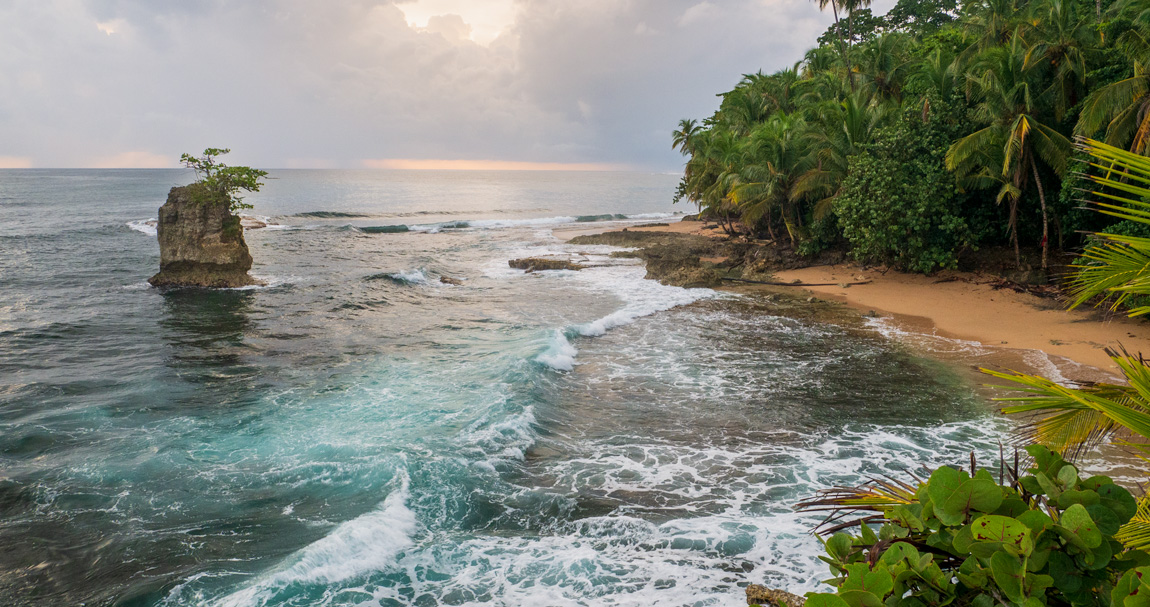

Boat Trip to Puerto Viejo’s Remote Beaches
You can feel it the moment the road ends – that quiet switch when the music from town fades, the jungle gets louder, and the Caribbean looks a little more wild than postcard-perfect. A boat trip to remote beaches Puerto Viejo is for travelers who want that feeling on purpose: fewer footprints in the sand, clearer water, and a guide who knows where the reef begins, where the current changes, and when the weather is about to turn.
This is not the kind of outing where you “just wing it.” These beaches are remote for a reason. The payoff is big, but the details matter – especially on Costa Rica’s South Caribbean, where conditions can shift fast and local knowledge is the difference between a dreamy day and a stressful one.
Why go by boat instead of by road
Some of the most beautiful stretches of coastline south of Puerto Viejo sit behind river mouths, dense coastal forest, or limited access points. On land, you might need a long hike, a tricky crossing, or a bike ride in heavy heat – and you still may not hit the best tide or the best visibility.
By boat, you can time the day around the sea. Captains and local guides choose calmer windows, slide into coves that don’t have roadside parking, and stop in more than one place without turning the day into a marathon. It also changes your relationship with the coastline – you get to see the headlands, reef lines, and color shifts in the water that most visitors never notice from the beach.
There’s a trade-off: a boat day is more sensitive to wind, rain, and swell. If you’re the type who hates changing plans, schedule your boat trip earlier in your vacation so you have flexibility to move it if conditions aren’t right.
What “remote beaches” really means around Puerto Viejo
Remote here doesn’t mean deserted every single day, and it doesn’t mean dangerous. It means the beach isn’t a quick hop from a main road, and you typically won’t find facilities like bathrooms, restaurants, or lifeguards.
Most boat itineraries in the Puerto Viejo area focus on the southern zone toward Punta Uva and Manzanillo, where the coastline alternates between sandy pockets and rocky points with reef. Depending on conditions, your captain may choose calmer bays with clear water for snorkeling, or longer open stretches for a “we have this whole beach to ourselves” feeling.
And yes – sometimes the “remote” part is the timing. Show up at the right tide with the right light, and even a known beach can feel like a private escape.
What you can do on a boat beach day
A good boat trip isn’t only transportation. It’s a curated day built around what the ocean is offering.
On calm, clear days, snorkeling is the star. You’ll usually visit spots where reef structure creates shelter for fish, and where visibility is best for the season. You might see schools of tropical fish, sponges, and coral formations – and if luck is on your side, rays or sea turtles passing through.
On days with more wind or waves, the plan often shifts to beach time, short coastal walks, and wildlife watching along the tree line. That can be just as rewarding. The South Caribbean is famous for how quickly it transitions from sea to jungle, and those edges are where you can spot monkeys, iguanas, and coastal birds.
If you’re traveling with kids or anyone who isn’t a strong swimmer, say it up front. The best operators will choose locations with gentler entries and will keep the day fun without pushing anyone beyond their comfort.
Seasons, sea conditions, and when to go
If your goal is snorkeling and clear water, timing matters.
The South Caribbean has two generally drier, calmer windows that often bring better ocean visibility: late summer (around August to October) and a second window in February to March. That doesn’t mean other months are “bad,” but it does mean you should be realistic. Rainy days can still happen in any season, and wind can change the feel of the sea quickly.
If you’re visiting in peak rain months, boat trips may still run – just with more careful route choices and a higher chance of rescheduling for safety. This is where direct communication with your local operator is gold. A responsible captain would rather move your trip than force it.
Safety: what to ask before you book
Remote beaches are incredible, but they’re not theme parks. Ask a few basic questions and you’ll instantly separate a professional operation from someone improvising.
You want to know who’s driving the boat, what safety gear is on board, and what the plan is if conditions shift. It’s also fair to ask how the route is chosen and whether the itinerary changes based on tide and swell.
Also ask about snorkeling support. Will someone be in the water with you? Do they provide quality masks that seal well? Are flotation options available? If you’re a beginner snorkeler, a calm guide who stays close makes a huge difference in how much you enjoy the experience.
Finally, be honest about your own comfort. If you get motion sick, say so. The captain can often adjust timing and route, and you can take precautions (like eating light beforehand and staying hydrated).
What to bring (and what people forget)
Because these beaches are remote, you’ll want to be self-sufficient for a few hours.
Bring reef-safe sunscreen, a rash guard if you have one, and a hat that won’t fly off on the ride. Pack water and a few snacks, especially for families. A dry bag is worth it for phones and towels – boat spray is real, even on “nice” days.
The most common mistake is footwear. Some beaches have rocky entries or coral fragments near shore. Water shoes can save your day. The second most common mistake is underestimating sun exposure. Between reflection off the water and breeze that keeps you from feeling the heat, people burn faster on boat days.
Wildlife and respectful behavior on the water
One reason we love guiding on the South Caribbean is that the ocean is part of a bigger ecosystem – reef, mangrove edges, coastal forest, and river mouths all working together.
If you encounter turtles, rays, or other marine life, the rule is simple: keep distance, don’t chase, don’t touch, and don’t block their path. Great guides will position you so you can observe without stressing the animal.
On shore, treat the beach like the fragile habitat it is. Don’t take shells or coral. Keep snacks secured so wildlife doesn’t learn bad habits. And always pack out what you pack in – remote beaches stay remote because there isn’t a cleanup crew coming behind you.
Who this trip is perfect for (and who should choose something else)
A boat beach day is ideal for couples who want quiet time together, families who want a nature-first adventure without a long hike, and travelers who like experiences that feel “hard to find.” It’s also a great match for repeat visitors who have already done the easy-access beaches and want something more special.
If you’re on a tight budget or you prefer guaranteed sun-and-calm-water conditions, it might not be your best use of a day. Ocean trips always come with a little uncertainty. The upside is that when conditions line up, it can be one of the most memorable days of your entire Puerto Viejo trip.
If you want the feeling of a remote beach without relying on the sea, you might pair your itinerary with a rainforest hike, a waterfall day, or a wildlife-focused kayak outing on a calm river.
Booking the right way: small groups, local benefit, honest pricing
Remote-beach boat trips work best when they’re kept personal. Smaller groups mean less time loading and unloading, more flexibility to change plans, and a calmer vibe in the water. It also reduces pressure on delicate reef areas.
Look for an operator that’s transparent about pricing, clear about what’s included, and upfront about safety decisions. On-the-ground teams also tend to know which areas are currently stressed, which beaches are nesting zones at certain times, and how to avoid contributing to overcrowding.
If you want help choosing the best day and season window for your travel dates, you can book directly with a local South Caribbean team like Caribe Sur Costa Rica – and you’ll get straightforward communication and trip-planning support without third-party markups.
The day-of rhythm: how a great trip usually feels
A well-run boat day feels relaxed from the start. You’ll meet, confirm conditions, and go over safety basics without a rushed vibe. The ride itself is part of the experience – warm air, salt spray, and that first glimpse of a hidden curve of sand that makes everyone reach for their camera.
Once you arrive, the pace should match your group. Strong swimmers might snorkel longer while others wade and explore. A good guide watches the weather, watches the water, and keeps the day moving without making it feel like a checklist.
If you’re lucky, you’ll end the day the same way locals love to end it – salty, sun-warmed, a little tired, and quietly proud that you chose something beyond the easiest option.
The best advice we can give is simple: plan for the ocean you get, not the ocean you ordered. When you travel with that mindset, a boat trip to Puerto Viejo’s remote beaches stops being a “tour” and becomes the kind of story you’ll keep telling long after the sand is out of your bag.


