
Punta Uva River Kayak Wildlife: What You’ll See
You’re gliding along glassy water under a tunnel of green, and the rainforest suddenly gets loud – a distant howler call, the wingbeat of a big bird, a splash you didn’t see. This is the Punta Uva River at its best: calm enough for first-timers, wild enough to make you forget you’re only minutes from the beach.
If you’re planning a Punta Uva river kayak wildlife outing, the biggest question is simple: what are the real odds of seeing animals, and how do you give yourself the best shot without stressing the ecosystem? Here’s what we see most often, what changes with season and time of day, and how to approach the river in a way that keeps it magical.
Why Punta Uva is so good for wildlife by kayak
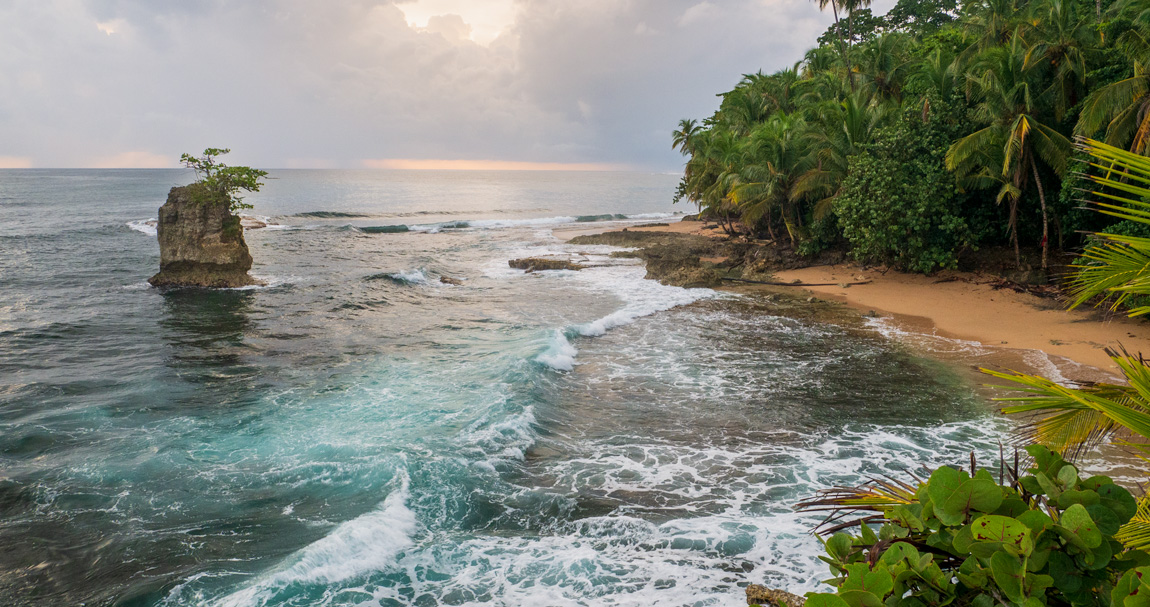
Punta Uva sits in Costa Rica’s South Caribbean, where lowland rainforest, wetlands, and coastal habitat overlap. The river itself is usually slow-moving, with shaded banks and plenty of overhanging branches – exactly the kind of place wildlife uses as a corridor.
Kayaking works here because it’s quiet. You’re not stomping through leaf litter or announcing yourself with an engine. You can pause, listen, and let your eyes adjust to the canopy layers. On many stretches, the river’s dark, tea-colored water reflects the trees, which makes the whole experience feel intimate and close.
There’s a trade-off, though. Because it’s a natural environment, nothing is guaranteed. Some days the forest is chatty and active, other days it’s still. The best approach is to treat wildlife as a possibility you earn with patience, not a checklist you force.
The animals you’re most likely to spot
Wildlife sightings depend on water level, weather, and how busy the river is that day. But on a typical paddle, these are the species groups that give Punta Uva its reputation.
Sloths: the headliners
Sloths are the animal most travelers hope for, and Punta Uva is one of the better places in the Puerto Viejo area to look. You’re scanning for a “not quite right” shape in the canopy – a shaggy bundle, a slow stretch of an arm, a face that looks like it’s smiling.
Two-toed and three-toed sloths can both be in the area. What surprises people is how hard they are to see until someone points them out, and then you can’t believe you missed them.
The respectful way to view sloths is from a distance with quiet voices. If you’re close enough to see them reacting to you, you’re too close.
Monkeys: the soundtrack and the chaos
Howler monkeys are common in the region and often heard before they’re seen. Spider monkeys can show up too, sometimes moving fast and high, sometimes pausing long enough for you to get a clear look.
Monkeys are active, curious, and occasionally dramatic. You may see branches shaking, hear a sharp call, or catch a quick silhouette crossing a gap in the canopy. If the troop is traveling, you’ll want to keep paddling slowly and let them pass overhead rather than chasing them down the river.
Iguanas, basilisks, and riverbank reptiles
Along sunny openings, green iguanas will often perch on branches over the water like they own the place. You might also spot basilisks – the “Jesus Christ lizard” famous for running across water – darting along the banks.
Snakes are possible in this habitat, but they’re not the star of most trips. When they do appear, it’s usually a still, camouflaged shape draped over a branch. This is another reason guided interpretation helps: a trained eye spots what most visitors glide right past.
Birds: toucans, kingfishers, and the small wonders
Birdlife is one of the most consistent rewards on the Punta Uva River. Depending on the day, you might see toucans or toucanets moving between fruiting trees, or hear them before you see them.
Kingfishers are a classic river sighting – perched and focused, then suddenly a clean dive. You’ll also notice the smaller, colorful birds that don’t make the postcards but make the rainforest feel alive. If you’re a birder, bring binoculars. If you’re not, you’ll still appreciate how much action is happening above the waterline.
Butterflies and rainforest detail you can’t get from the road
Even when the “big” animals are quiet, the river delivers. Butterflies drift across sunbeams, vines hang low over the water, and you’ll see the rainforest up close – seed pods, bromeliads, strangler figs, and leaf patterns that look painted.
That’s part of what makes this paddle satisfying for families and couples alike: you’re not relying on one moment to make the whole experience worth it.
When to go for the best wildlife activity
Timing matters. If you want the highest odds for Punta Uva river kayak wildlife, aim for the hours when the forest is naturally more active.
Early morning is usually the sweet spot: cooler air, softer light, and more animal movement before the day heats up. Late afternoon can also be productive, especially if you get a calm stretch of weather.
Midday can still be beautiful, but it often feels quieter. That doesn’t mean “no wildlife” – it just means you may need more patience, and the heat can make the paddle feel more like exercise than a relaxed float.
Rain changes things too. A light rain can make the forest feel awake, but heavy rain can reduce visibility and raise water levels. If you’re traveling in the rainier months, flexibility is your friend.
How to spot more wildlife (without bothering it)
Most people think wildlife spotting is about sharp eyesight. It’s partly that, but it’s also about slowing down and learning what to look for.
The first skill is listening. Wingbeats, branch movement, a sudden hush in bird calls – these signals often lead your eyes to the right place.
The second skill is scanning in layers. Don’t only look straight ahead. Check high canopy for monkeys and sloths, mid-level branches for iguanas and birds, and the waterline for subtle movement.
The third skill is controlling your own noise. If your paddle is slapping the water or you’re talking constantly, you’re giving animals a reason to stay hidden.
And finally, accept the trade-off between photos and sightings. If you’re constantly adjusting a camera, you’ll miss what’s happening. Get your quick shot, then go back to watching.
What the kayak experience feels like (for real people, not athletes)
Punta Uva’s river kayaking is approachable. You don’t need special skills, and you don’t need to be in peak shape. Most travelers settle into a rhythm quickly.
That said, “easy” depends on conditions. Wind can make open stretches feel harder. Higher water can increase current in spots. And if you’re a nervous swimmer, you may feel more comfortable in a stable kayak with clear safety guidance.
If you’re traveling with kids, the biggest factor is attention span. Younger kids often love the quiet adventure – especially when they start spotting birds first. Teens usually enjoy it more when they understand the “mission” is wildlife, not speed.
Eco etiquette that keeps Punta Uva wild
The river is a living system, not a theme park. A few choices make a huge difference.
Stay on the waterway and avoid scraping into banks or pushing into vegetation. Don’t feed any animals – even “harmless” snacks can change behavior and put wildlife at risk. Keep a respectful distance, especially from sloths and monkeys. And bring anything you bring in back out, including small trash like wrappers that can easily blow away.
Sunscreen and bug spray choices matter here too. If you can, use reef-safe sunscreen and avoid spraying chemicals right at the river’s edge.
Guided vs. self-guided: what changes
Some travelers love independence and feel confident paddling on their own. That can work if you’re experienced, conditions are calm, and you’re comfortable navigating quietly.
But if your main goal is Punta Uva river kayak wildlife, a guide often means more sightings and less guessing. A good local guide knows which trees are fruiting, where animals rest, how tides and rainfall change the river, and how to interpret behavior without stressing it. They also handle pacing so you can stay relaxed and actually watch.
If you want a small-group, wildlife-first kayak experience in Punta Uva with local interpretation and direct booking, we recommend checking availability with Caribe Sur Costa Rica – it’s the easiest way to get real-time advice based on current river conditions.
What to bring so you’re comfortable and ready
You don’t need to overpack. A dry bag or waterproof pouch makes the biggest difference for peace of mind. Lightweight long sleeves can be more comfortable than tank tops if the sun is strong and bugs are out.
If wildlife photos matter to you, a simple phone lanyard or floating strap helps prevent the classic vacation mishap. Binoculars are surprisingly useful, even compact ones.
And bring water. The paddle is relaxing, but the Caribbean humidity is real.
A few expectations that make the trip better
You may not see everything you hoped for, and you may see something you never expected. That’s normal, and it’s part of why Punta Uva feels authentic.
The more you treat the outing as time inside a living rainforest – listening, slowing down, letting the river set the pace – the more the wildlife tends to reveal itself. The forest doesn’t perform on command, but it does reward the travelers who show up with curiosity and respect.
When you’re ready, pick a calm morning, leave a little space in your schedule, and give yourself permission to be quiet on purpose. The river has its own way of saying hello.


